Part 5 of 8 in the "how TCM assesses poor sleep" series. The other seven are listed at the foot.
Of a consultation's five areas, the last two are mood and stress, and what you are already doing. This part covers why they are asked, and what to bring with you.
The short version
- The WHO's standard terminology for TCM says 不寐 often results from emotional disturbances and mental exhaustion.
- The Hong Kong Department of Health's Chinese Medicine Regulatory Office, in its sleep guide, says TCM holds that one should "settle the heart before sleep" — the mind must be calm before bed.
- The Chinese University of Hong Kong's Integrative Medical Centre article is more practical: observing how the patient is while talking, and listening closely to the small things of daily life — hobbies, social contact — all help in understanding their mood. So the practitioner usually asks about the life itself.
- Medication you take, supplements, sleep aids from the pharmacy: say so at the start of the consultation. Never stop a prescription on your own because you have started TCM care.
First, the things that cannot wait
You snore with pauses in breathing, or wake up gasping; daytime sleepiness is severe enough to affect driving or work safety — see a doctor for investigation first.
Mood is persistently low, anxiety is hard to control, or you have thoughts of harming yourself — this is not something to wait on. Call 999 now, or go to the nearest hospital emergency department. To talk to someone, the Ministry of Health's Talian HEAL 15555 is open every day from 8 am to 12 midnight, public holidays included; Befrienders KL is open 24 hours on 03-7627 2929. You can also contact your doctor.
The full list, and the reason for each, are in part 8. TCM and Western medicine complement each other; it is not a choice between them.
A note: this section is general information only. For conditions like these, follow your doctor's diagnosis and treatment, and seek medical attention when you need it.
I. Mood and stress
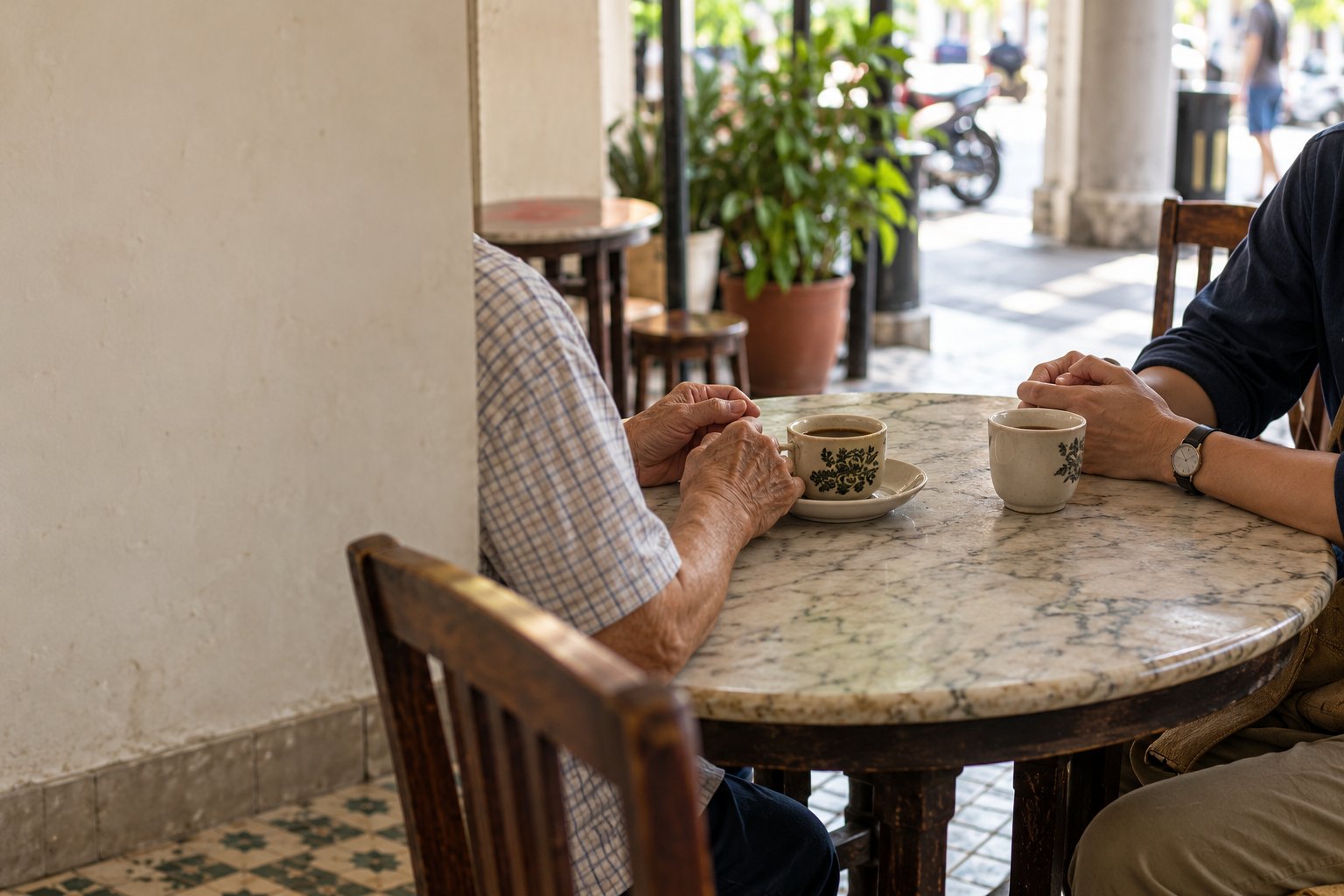
What is asked: recent changes in life or work, ongoing tension, worry or low mood.
Why it is asked: the WHO's standard terminology for TCM says 不寐 often results from emotional disturbances and mental exhaustion. 不寐 is the name of a category in TCM theory — the full account is part 2.
The Hong Kong Department of Health's Chinese Medicine Regulatory Office, in its sleep guide, says TCM holds that one should "settle the heart before sleep" — the mind must be calm before bed.
The Chinese University of Hong Kong's Integrative Medical Centre article is more practical: observing how the patient is while talking, and listening closely to the small things of daily life — hobbies, social contact — all help in understanding their mood. So the practitioner usually asks about the life itself, not for a one-line mood score.
Singapore HealthHub's sleep-record list has the item too: feelings and mood before bed. The WHO standard writes emotional disturbance into its description of 不寐, and HealthHub puts mood before bed on its record list — the two point at the same thing.
Crunch season, exam season. A question that comes up often is how to handle this stretch. HealthHub's advice is to keep a fixed wake-up time every day, and let bedtime follow as closely as it can. Writing those weeks honestly into the log beats explaining afterwards that you were busy.
If mood is already persistently low, hard to control, or there are thoughts of harming yourself, that is outside this section — see "First, the things that cannot wait" above and part 8.
II. What you are already doing
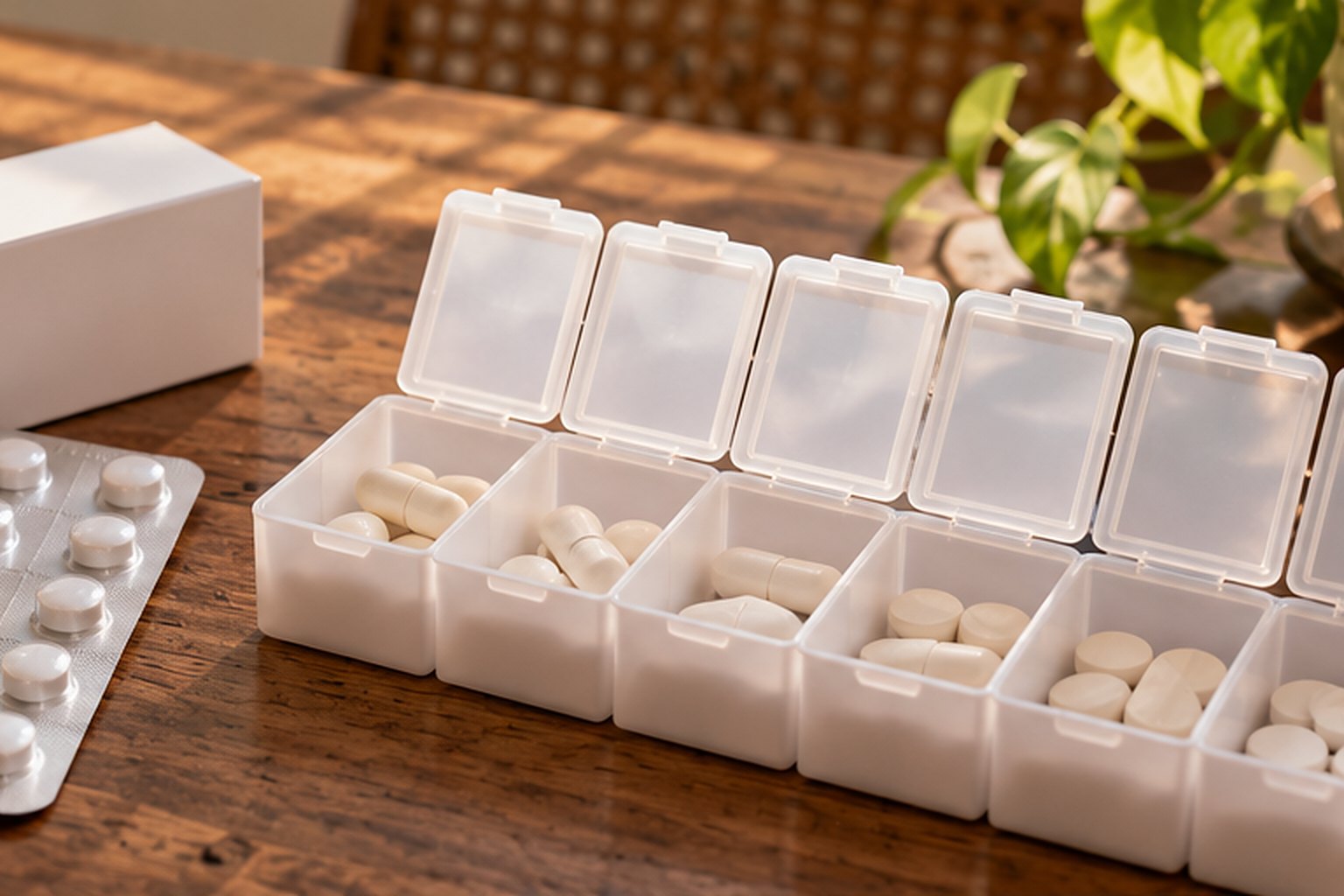
What is asked: whether you take prescribed sleep medication or any other medication or supplements, whether you have seen a doctor, what tests you have had.
Why it is asked: this bears on safety, and on what the practitioner can suggest. The Chinese University of Hong Kong article, discussing sleep problems after an illness, writes that the conversation with the patient should work from their use of Chinese and Western medicines, the course of the illness and the symptoms that persist, to work out the nature of what remains of the illness.
HealthHub's record list likewise includes medications taken, with time and dose; and the types and amount of food, liquids, caffeine or alcohol consumed before bed. Never stop a prescription on your own because you have started TCM care.
What to bring to the consultation:
- Products marketed as "calming" from family, supplements from a direct-sales friend, sleep aids from the pharmacy — describe the contents and where they came from, and show them at the consultation.
- Already seeing a doctor at a Klinik Kesihatan or a private clinic — say so, including any medication.
- Recent test reports — bring them if you have them; there is no need to go and have tests done for this. Whether tests are needed is the doctor's judgement.
Whether and how Chinese herbs are taken alongside Western medication is covered here: Can you take Chinese herbs with Western medication?. Never stop a prescription on your own.
💡 Remember: questions about mood and about medication are both questions about the actual present situation. Answering them fully is what lets a practitioner know which suggestions are safe; neither area is there to put a label on you.
The words in this part
Of the four, one comes from the World Health Organization's 2022 standard terminology for TCM, one from the Hong Kong Department of Health's sleep guide, and two are the HealthHub page's own terms.
- 不寐 (bú mèi) — the WHO standard says it often results from emotional disturbances and mental exhaustion. That is the theory's reason mood gets asked about; it is the name of a category, not a label for anyone.
- "Settle the heart before sleep" (先睡心,后睡眠) — the TCM saying the Hong Kong Department of Health's sleep guide cites, meaning the mind must be calm before bed.
- Feelings and mood before bed (睡前的感受与心情) — one of the items on HealthHub's sleep-record list.
- Medications taken, including time and dose (服用的药物,包括时间与剂量) — another item on the same list. It is also the one to be clear about at the consultation.
Frequently asked
Can I take it together with sleeping pills? Make sure the doctor who prescribes the sleeping pills and the TCM practitioner both know your full medication list, psychiatric medication included; whether and how the two are taken together is for both professionals to judge. Never stop or reduce a prescription on your own. The general practice for taking Chinese herbs alongside Western medication is here: Can you take Chinese herbs with Western medication?.
Do I have to take medicine? Not necessarily. The directions a practitioner may raise include herbal medicine and acupuncture, and they may start with the kind of routine adjustments in part 6. Whether to use medicine, and which, is decided between you and the practitioner at the consultation; if you already take medication your doctor prescribed, your doctor's treatment comes first.
Does a "calming" supplement from family count as medication? In a consultation it counts as something to declare. Describe the contents and where it came from, and show it at the consultation — this part assesses no product and recommends none.
Do not: stop medication your doctor prescribed so that the TCM consultation can "start clean".
A note: this section is general information only. For conditions like these, follow your doctor's diagnosis and treatment, and seek medical attention when you need it.
The other seven parts
- Part 1: What inquiry is, how it works online, what one consultation produces
- Part 2: What TCM theory holds sleep to be
- Part 3: Why appetite, palpitations and mood get asked about
- Part 4: What is asked about the sleep itself and the daytime
- Part 6: Poor sleep: what is usually done
- Part 7: How to keep a 7-day sleep log, and how to read one
- Part 8: When to see a doctor first
👉 If you are not sure where to begin with your own poor sleep, you are welcome to book an online consultation with HansMed, where a practitioner registered under the T&CM Act 2016 can assess it with you; if anything in "First, the things that cannot wait" above or in part 8 applies, see a doctor first.
Sit with a licensed TCM practitioner from wherever you are.
HansMed Modern TCM
For general wellness education only — not medical advice. Consult a registered TCM practitioner for personal guidance.
Sources
- World Health Organization, WHO international standard terminologies on traditional Chinese medicine, 2022 (ISBN 978-92-4-004232-2), entry 1589 — https://www.who.int/publications/i/item/9789240042322
- Integrative Medical Centre, The Chinese University of Hong Kong, 〈失眠因陽氣難入陰 拆解4大對象人群〉, published 1 January 2024 — https://hkiim.cuhk.edu.hk/imc/tc/press/d/%E5%A4%B1%E7%9C%A0%E5%9B%A0%E9%99%BD%E6%B0%A3%E9%9B%A3%E5%85%A5%E9%99%B0%E3%80%80%E6%8B%86%E8%A7%A34%E5%A4%A7%E5%B0%8D%E8%B1%A1%E4%BA%BA%E7%BE%A4
- Chinese Medicine Regulatory Office, Department of Health, Hong Kong, 〈中医养生-睡眠篇〉 (PDF, 3 pp.) — https://www.cmro.gov.hk/files/gb/useful_information/public_health/feature_articles/TCM_019.pdf
- Singapore HealthHub (MOH), MindSG — Sleeping Well (Adults), no review date shown on the page — https://www.healthhub.sg/programmes/mindsg/caring-for-ourselves/sleeping-well-adults
- Singapore HealthHub (MOH), 11 Healthy Habits to Sleep Better, article last reviewed 21 December 2021 — https://www.healthhub.sg/well-being-and-lifestyle/mental-wellness/overcoming_insomnia
- Ministry of Health Malaysia, Hospital Pendang (Kedah State Health Department), Info Kesihatan 2024 — https://jknkedah.moh.gov.my/hpendang/index.php?option=com_sppagebuilder&view=page&id=139
- Befrienders Kuala Lumpur — https://www.befrienders.org.my/