Part 4 of 4 in the menopause series. Part 1 is what is happening in the body; part 2 is how TCM reads the change; part 3 is when to see a doctor first.
"So what can I actually do?" This part is about fitting it into daily life: air-conditioned rooms and mamak in Malaysia, why hormone therapy is the doctor's decision, and what a TCM consultation asks. Start with what cannot wait.
The short version
- In a cold office the cardigan you already have is the NHS's lightweight clothing; spicy food, caffeine, hot drinks and alcohol are on the NHS's flush trigger list, and whether and how much to cut back is for your doctor.
- Track two weeks first: how many flushes a day, at what times, how often you wake at night, and the date of the last period.
- Hormone therapy is the doctor's decision: the NHS says which type is best depends on whether you have had a hysterectomy, what stage you are at, and your preferences. The NHS also states it is not contraception.
- A TCM consultation asks about the cycle, temperature, sleep, mood and what you already take, then sets out three options — acupuncture, herbs, a direction for daily life — options, not a promise of results.
- Bleeding after menopause, or a marked change in periods — start at the Klinik Kesihatan or your family doctor, with referral to a gynaecologist when needed.
First, the things that cannot wait
Any bleeding after menopause needs a doctor — even if it has only happened once, there is only a small amount, or it is only pink or brown discharge. The NHS states it can be a sign of cancer, which is why it is always checked.
Chest pain or palpitations with breathlessness or a cold sweat — call 999 now, or go to the nearest hospital emergency department.
The full list is in part 3. TCM and Western medicine complement each other; it is not a choice between them.
A note: this section is general information only. For conditions like these, follow your doctor's diagnosis and treatment, and seek medical attention when you need it.
I. Fitting it into life in Malaysia
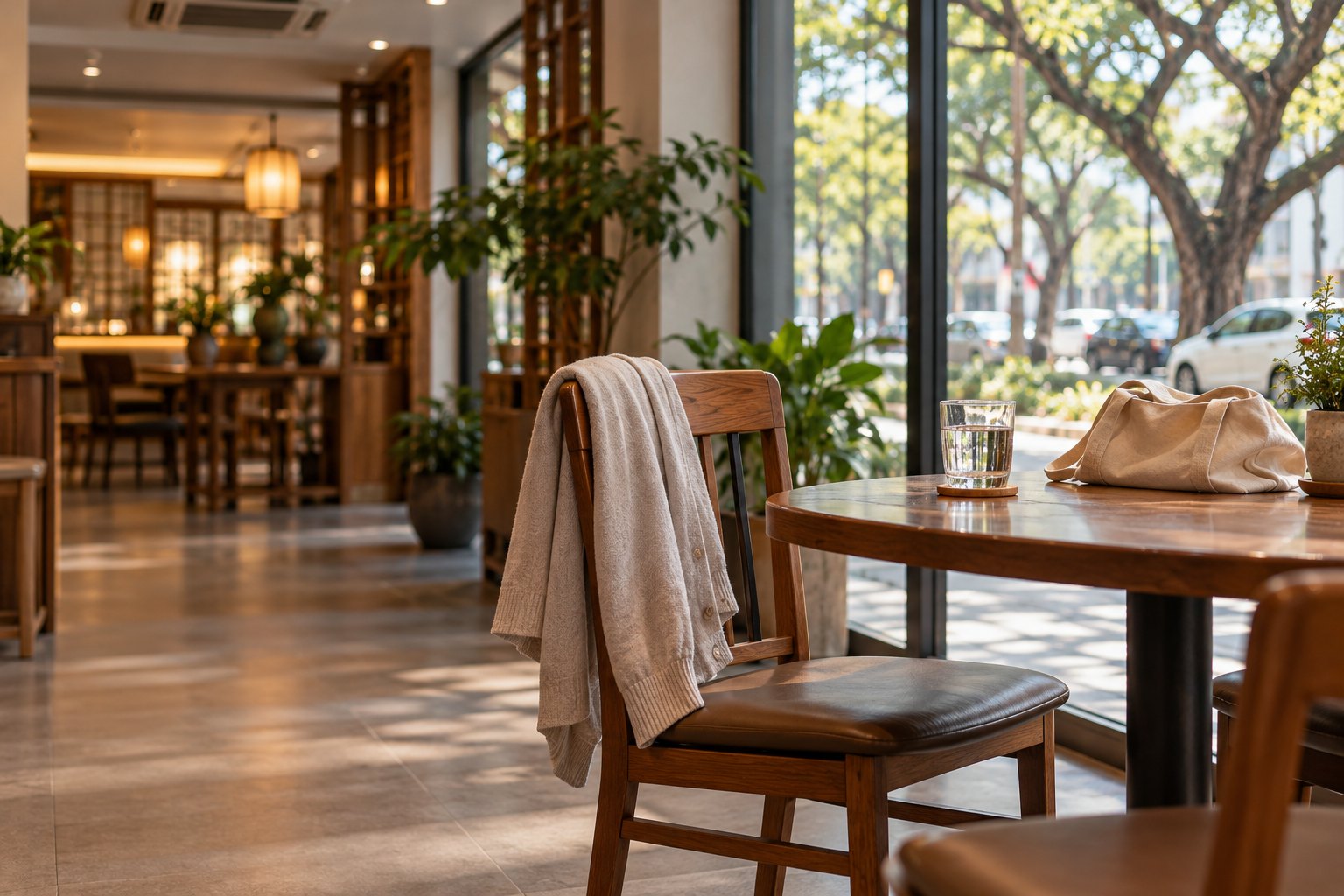
- Air-conditioned rooms and flushes. Office air-conditioning against the heat outside swings the temperature across the day. The NHS measure is lightweight clothing — in Malaysia, the cardigan every cold office already has is the same measure, and you take it off when a flush comes.
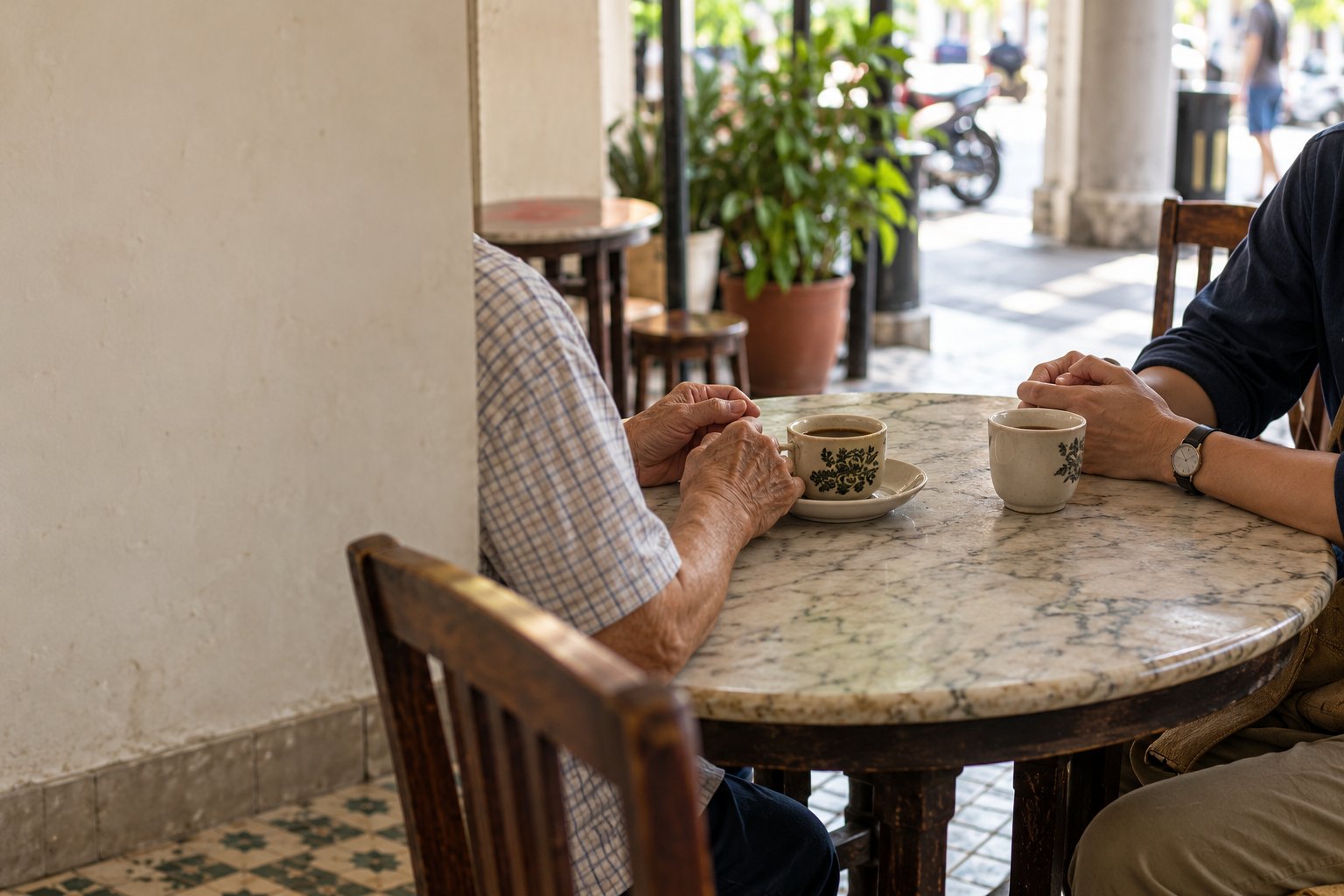
- Mamak and dinner. Spicy food, caffeine, hot drinks and alcohol are on the NHS's trigger list, to avoid or cut down. Kopi or teh tarik in the daytime and dinner lighter on chilli — that is the theory's; chilli and alcohol are on both lists. Whether and how much to cut back is for your doctor.
- Sleep timing. The theory treats the hours around 11 pm (子时) as the body's restorative window — in bed before about eleven. The NHS's first item is keeping to regular sleep routines.
- Gentle movement. Tai chi, walking. The NHS list includes yoga, tai chi or meditation.
- Track two weeks first. How many flushes a day, at what times, how often you wake at night, and the date of the last period. "Nothing since March last year" is far more useful than "I think I'm menopausal".
- Klinik Kesihatan and the gynaecologist. Bleeding after menopause, a marked change in periods, or stopping before 45 — start at the Klinik Kesihatan or your family doctor, with referral to a gynaecologist when needed. The NHS states early menopause or premature ovarian insufficiency can happen before the age of 45.
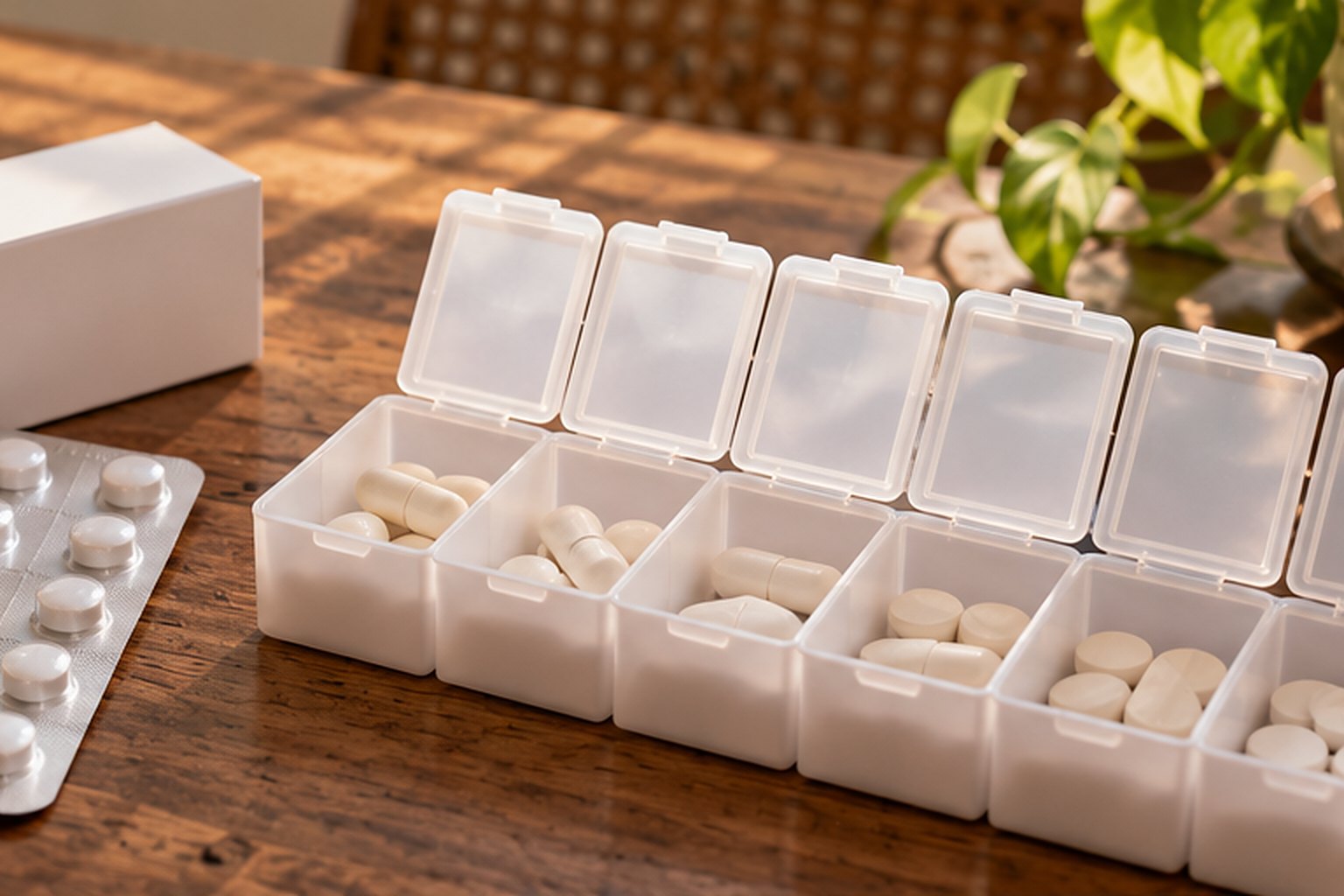
- Pharmacies (Guardian, Watsons and the like). Over-the-counter medicines, calcium tablets, vitamin D, menopause supplements from the shelf — all of it goes on the list. Ask a doctor or pharmacist before supplements.
- What else is happening at home. Caring for elderly parents, children's exam season, the overtime season — several things often stack at this stage. The NHS list has an item for that too: talk to other people going through the same thing — family, friends or colleagues.
II. Why hormone therapy is an individual decision
The NHS's account: which type of HRT is best depends on whether you have had a hysterectomy, what stage of menopause you are at, and your personal preferences; if you are considering it, talk to a GP about suitable options.
The WHO points the same way: symptoms that affect health and well-being should be discussed with a health-care provider, with consideration of medical history, values and preferences. The NHS treatment page adds that a doctor, nurse or pharmacist can all talk it through.
The NHS adds one more line: HRT is not contraception — if you need contraception, talk to a doctor about it; how long contraception is needed after the final period is in part 1.
That is what "individual decision" means: one term, a different plan for each person. This article says nothing about its benefits or risks. Starting, changing or stopping all goes to the doctor who prescribed it — and if you are on it, never stop it on your own.
III. What a TCM consultation asks
A consultation asks about five things: the cycle (length, flow, when the last period was); temperature (flushes, night sweats, which times are worst); sleep; mood and mental state; and existing diagnoses and medication (anything hormone-related, bone density or lipid results, anything else you take).
Then three options: acupuncture, herbs, a direction for daily life — needles, concentrated herbal granules, and adjustments to routine and eating. The practitioner explains which suit this stage — options, not a promise of results.
If your doctor prescribed medication (including anything hormone-related), keep taking it — never stop it on your own. On herbs alongside Western medication, see Can You Take Chinese Herbs With Western Medication?; on preparing, what to prepare before an online consultation; on scope, what TCM gynaecology covers.
The other three parts
- Part 1: What is actually happening in menopause — what falls in the body
- Part 2: How TCM reads this change — the "kidney", the "liver" and the words
- Part 3: When to see a doctor first, and what is generally done
👉 If you are not sure "where to start setting out the changes of this stage for a practitioner", you are welcome to book an online consultation with HansMed, where a practitioner registered under the T&CM Act 2016 can assess it with you; if anything in "First, the things that cannot wait" above or in part 3 applies, see a doctor or a gynaecologist first.
Sit with a licensed TCM practitioner from wherever you are.
HansMed Modern TCM
For general wellness education only — not medical advice. Consult a registered TCM practitioner for personal guidance.
Sources
- NHS, Things you can do to help menopause and perimenopause symptoms, page last reviewed 19 May 2026 — https://www.nhs.uk/conditions/menopause-and-perimenopause/things-you-can-do/
- NHS, What are menopause and perimenopause?, page last reviewed 19 May 2026 — https://www.nhs.uk/conditions/menopause-and-perimenopause/what-are-menopause-and-perimenopause/
- NHS, Symptoms of menopause and perimenopause, page last reviewed 19 May 2026 — https://www.nhs.uk/conditions/menopause-and-perimenopause/symptoms/
- NHS, Treatment for menopause and perimenopause, page last reviewed 19 May 2026 — https://www.nhs.uk/conditions/menopause-and-perimenopause/treatment/
- NHS, Types of hormone replacement therapy (HRT), page last reviewed 9 March 2023 — https://www.nhs.uk/medicines/hormone-replacement-therapy-hrt/types-of-hormone-replacement-therapy-hrt/
- NHS, Postmenopausal bleeding, page last reviewed 24 September 2026 — https://www.nhs.uk/symptoms/post-menopausal-bleeding/
- World Health Organization, Menopause fact sheet, 16 October 2024 — https://www.who.int/news-room/fact-sheets/detail/menopause