Part 3 of 4 in the menopause series. Part 1 is what is happening in the body; part 2 is how TCM reads the change; part 4 is daily life and what a consultation asks.
"When should I see a doctor first, and when can I just keep a record for a few weeks?" It is a question readers often ask at this stage. This part starts with the seven that cannot wait — six of them with the reason its own NHS page gives — and then sets out what is generally done in one table.
The short version
- Any bleeding after menopause goes to a doctor first — the NHS states it is checked even if it has only happened once, there is only a small amount, or it is only pink or brown discharge.
- Chest pain or palpitations with breathlessness or a cold sweat: call 999 now, or go to the nearest hospital emergency department.
- Section I lists seven situations that go to a doctor first, six of them with the reason its own NHS page gives for why that sign is checked.
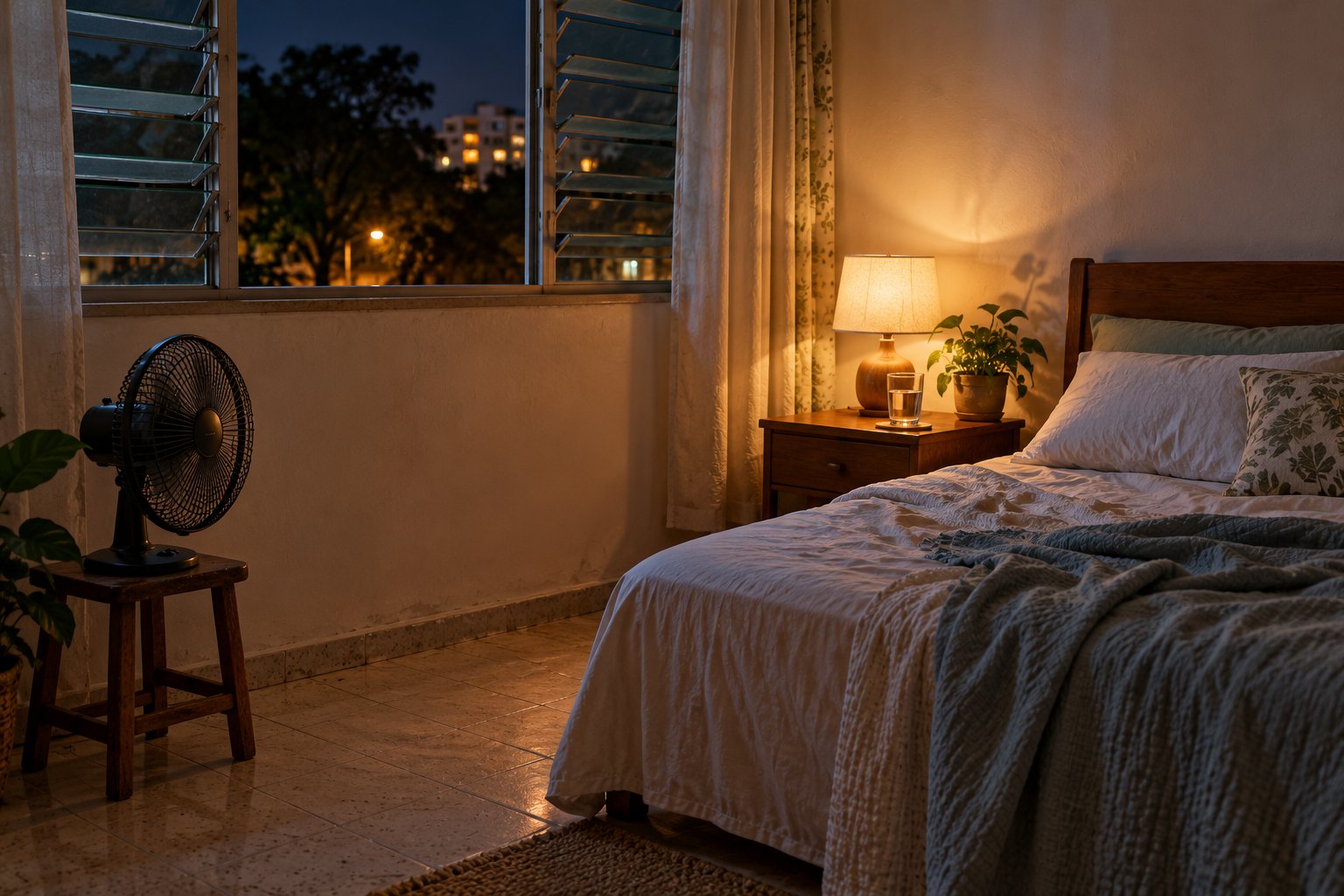
- Hot flushes have a list: lightweight clothing, a cool bedroom, a cool shower or a fan, avoiding spicy food, caffeine, hot drinks, smoking and alcohol — that is the NHS's; the theory's side is to bring the body's temperature down in the evening and to get to sleep before eleven.
- The routine checks of this stage — blood pressure, lipids, bone density, breast and cervical screening — are not something a TCM consultation replaces.
I. See a gynaecologist or doctor first in these situations
- Any bleeding after menopause — always get this checked; this is the one that cannot wait. The NHS's postmenopausal bleeding page states it is checked because it can be a sign of cancer
- Before menopause: bleeding between periods, after intercourse, or a sudden marked increase in flow — the NHS states bleeding like this can sometimes be a sign of cancer, and can also come from polyps, fibroids or an infection, so any unusual bleeding is checked
- A lump you can feel in the breast or abdomen — the NHS's breast lump page states some breast lumps can be serious
- Chest pain or palpitations with breathlessness or a cold sweat — the NHS's heart attack page states a heart attack happens when blood flow to the heart is blocked; the chest pain may feel like squeezing or crushing, and may come with breathlessness, sweating or nausea. Call 999 now, or go to the nearest hospital emergency department
- Persistently low mood, anxiety that is hard to control, or loss of interest in things — tell your doctor; this needs professional support. The NHS's depression symptoms page states you may feel sad and hopeless and lose interest in things you used to enjoy, with symptoms lasting weeks or months and interfering with work, social and family life; for most of the day, every day, for more than 2 weeks, it says see a GP
- Concerns about fracture risk, or a fracture from a minor fall — the NHS's osteoporosis page states osteoporosis weakens bones and makes them more likely to break; it develops slowly and is often only diagnosed when a fall or sudden impact causes a fracture
- Taking or considering hormone-related treatment — this belongs to your doctor's judgement; follow their advice and never stop or adjust it on your own
⚠️ A safety note: TCM and Western medicine complement each other; it is not a choice between them. The routine checks of this stage — blood pressure, lipids, bone density, breast and cervical screening — are not something a TCM consultation replaces. Follow your doctor's schedule for them.
A note: this section is general information only. For conditions like these, follow your doctor's diagnosis and treatment, and seek medical attention when you need it.
II. One table: common situations, theory, and what is generally done
| Situation | Where the theory files it (shorthand; definitions and sources in part 2) | Generally done: the NHS list · the theory's habits | When to see a doctor first |
|---|---|---|---|
| Hot flushes, night sweats | The direction of "kidney yin" weakening | NHS: lightweight clothing, a cool bedroom, a cool shower, a fan or a cold drink, avoiding spicy food, caffeine, hot drinks, smoking and alcohol. Theory: bring the body's temperature down in the evening — a warm shower, not a hot one; light nightwear; water at room temperature. The cool shower and cold drink are the NHS's, warm water is the theory's habit; both are here — ask your practitioner | For symptoms like a fast heartbeat (palpitations): the NHS says contact your GP; chest pain with breathlessness or a cold sweat — call 999 now, or go to the nearest hospital emergency department |
| Poor sleep | "Yin" insufficient, the "spirit" unsettled | NHS: keep to regular sleep routines; sleep problems may be worse with night sweats. Theory: getting to sleep before about eleven, less spice and alcohol at night | Persistent insomnia affecting your days: tell your doctor first |
| Mood swings, irritability | "The liver governs free flow" — whether qi moves freely | NHS: mood swings, low mood and anxiety are common at this stage, and worse with poor sleep; the measures are rest, regular exercise and relaxing activities — the list includes yoga, tai chi or meditation | See section I |
| Periods starting to change | Tian Gui gradually running out (the theory's account, a paraphrase rather than a quotation) | NHS: one of the first signs of perimenopause is usually a change to your periods — more or less often, heavier or lighter | Still having periods but bleeding more, not less: the NHS says contact your GP. Changing or stopping before 45: see a doctor first (the NHS states early menopause or premature ovarian insufficiency can happen before the age of 45) |
| Bones and blood vessels | "The kidney governs the bones" — the nourishing of bone, which the theory files under the "kidney" | NHS: oestrogen and progesterone also keep your bones healthy. WHO: loss of bone density at menopause is a significant contributor to higher rates of osteoporosis and fractures, and cardiovascular risk can also be affected. NHS measures: weight-bearing and resistance exercise, calcium-rich food, some sunlight, stop smoking, cut down on alcohol; ask a doctor before supplements | Which screening applies and how often — blood pressure, lipids, bone density, breast and cervical — ask your doctor; this article has no schedule from Malaysia's Ministry of Health to cite |
| Tonics, herbs, supplements from family | The practitioner asks what you are actually taking, then prescribes | NHS: talk to a doctor before taking herbal supplements or complementary medicines. Malaysia's Ministry of Health states registered medicines carry a MAL registration number and a Meditag hologram label on the label or packaging | On prescribed medication: both sides need to know |
This table is "what is generally done", not "what you should do" — which items apply to you is for your doctor and practitioner to judge.
A note: this section is general information only. For conditions like these, follow your doctor's diagnosis and treatment, and seek medical attention when you need it.
The words in this part
All four definitions are the WHO standard's own; part 2 sets them out in full.
- Kidney yin (肾阴) — the quiescent, moistening aspect of the kidney's functions.
- Tian Gui (天癸) — a substance generated by abundant kidney essence; it maintains the reproductive function.
- The kidney governs the bones (肾主骨) — kidney essence generates marrow to nourish bones; filing bone under the "kidney" is what the theory does with that.
- The liver governs free flow (肝主疏泄) — the liver maintains free flow of qi over the entire body; the theory places mood swings here.
The other three parts
- Part 1: What is actually happening in menopause — what falls in the body
- Part 2: How TCM reads this change — the "kidney", the "liver" and the words
- Part 4: Daily life in Malaysia, hormone therapy, and what a consultation asks
👉 If you are not sure "where to start setting out the changes of this stage for a practitioner", you are welcome to book an online consultation with HansMed, where a practitioner registered under the T&CM Act 2016 can assess it with you; if anything in section I applies, see a doctor or a gynaecologist first.
Sit with a licensed TCM practitioner from wherever you are.
HansMed Modern TCM
For general wellness education only — not medical advice. Consult a registered TCM practitioner for personal guidance.
Sources
- NHS, Things you can do to help menopause and perimenopause symptoms, page last reviewed 19 May 2026 — https://www.nhs.uk/conditions/menopause-and-perimenopause/things-you-can-do/
- NHS, Symptoms of menopause and perimenopause, page last reviewed 19 May 2026 — https://www.nhs.uk/conditions/menopause-and-perimenopause/symptoms/
- NHS, What are menopause and perimenopause?, page last reviewed 19 May 2026 — https://www.nhs.uk/conditions/menopause-and-perimenopause/what-are-menopause-and-perimenopause/
- NHS, About hormone replacement therapy (HRT), page last reviewed 7 February 2023 — https://www.nhs.uk/medicines/hormone-replacement-therapy-hrt/about-hormone-replacement-therapy-hrt/
- NHS, Postmenopausal bleeding, page last reviewed 24 September 2026 — https://www.nhs.uk/symptoms/post-menopausal-bleeding/
- NHS, Vaginal bleeding between periods or after sex, page last reviewed 13 August 2024 — https://www.nhs.uk/symptoms/vaginal-bleeding-between-periods-or-after-sex/
- NHS, Breast lump, page last reviewed 28 June 2023 — https://www.nhs.uk/symptoms/breast-lump/
- NHS, Heart attack, page last reviewed 31 March 2026 — https://www.nhs.uk/conditions/heart-attack/
- NHS, Symptoms of depression in adults, page last reviewed 5 July 2023 — https://www.nhs.uk/mental-health/conditions/depression-in-adults/symptoms/
- NHS, Osteoporosis, page last reviewed 13 October 2022 — https://www.nhs.uk/conditions/osteoporosis/
- World Health Organization, Menopause fact sheet, 16 October 2024 — https://www.who.int/news-room/fact-sheets/detail/menopause
- World Health Organization, WHO international standard terminologies on traditional Chinese medicine, 2022 — https://www.who.int/publications/i/item/9789240042322
- Ministry of Health Malaysia, Pharmaceutical Services Programme FAQ, How to identify medicines that are registered with MOH — https://pharmacy.moh.gov.my/en/faq/how-identify-medicines-are-registered-moh.html