Part 6 of 6 in the "what is cupping" series. Part 1 is what cupping is; part 2 is what happens in one session; part 3 is how the three methods differ; part 4 is the marks; part 5 is which situations to tell your practitioner about.
"Can I shower straight after? Can I go back to the office and sit in the aircon?" These are two questions that come up often once the cups come off.
The short answer first. The Taiwan folk-practice manual's wording is: no bathing within 30 minutes. The manual gives no reason — and this part says plainly why that gap is there.
The short version
- No bathing within 30 minutes after cupping — that figure is the Taiwan folk-practice manual's.
- In TCM theory the pores are open after cupping and wind and cold get in easily, so the practices the theory attaches are keeping warm and staying out of draughts — that is Kiang Wu Hospital's Chinese medicine department.
- The same page lists five points: avoid wind and air-conditioning draughts, keep the skin clean and dry, rest, eat light, do not scratch.
- Cupping the same area again is best spaced at least 3 days apart, and depends on the skin colour and the person's condition — the Taiwan manual.
- "No cold water that day" is a general practice extended from the theory's concern, not a figure any page writes.
First, the things that cannot wait
If burns, blisters, broken skin, severe pain, or signs of infection develop at the cupping site, please contact your practitioner. If you experience fever, dizziness, or difficulty breathing, call 999 now, or go to the nearest hospital emergency department.
If you are experiencing seizures, loss of consciousness, or high fever, call 999 now, or go to the nearest hospital emergency department, rather than considering cupping.
The full list, and the reason for each, are in part 5. TCM and Western medicine complement each other; it is not a choice between them.
A note: this section is general information only. For conditions like these, follow your doctor's diagnosis and treatment, and seek medical attention when you need it.
I. What the theory says, and the five practices it attaches
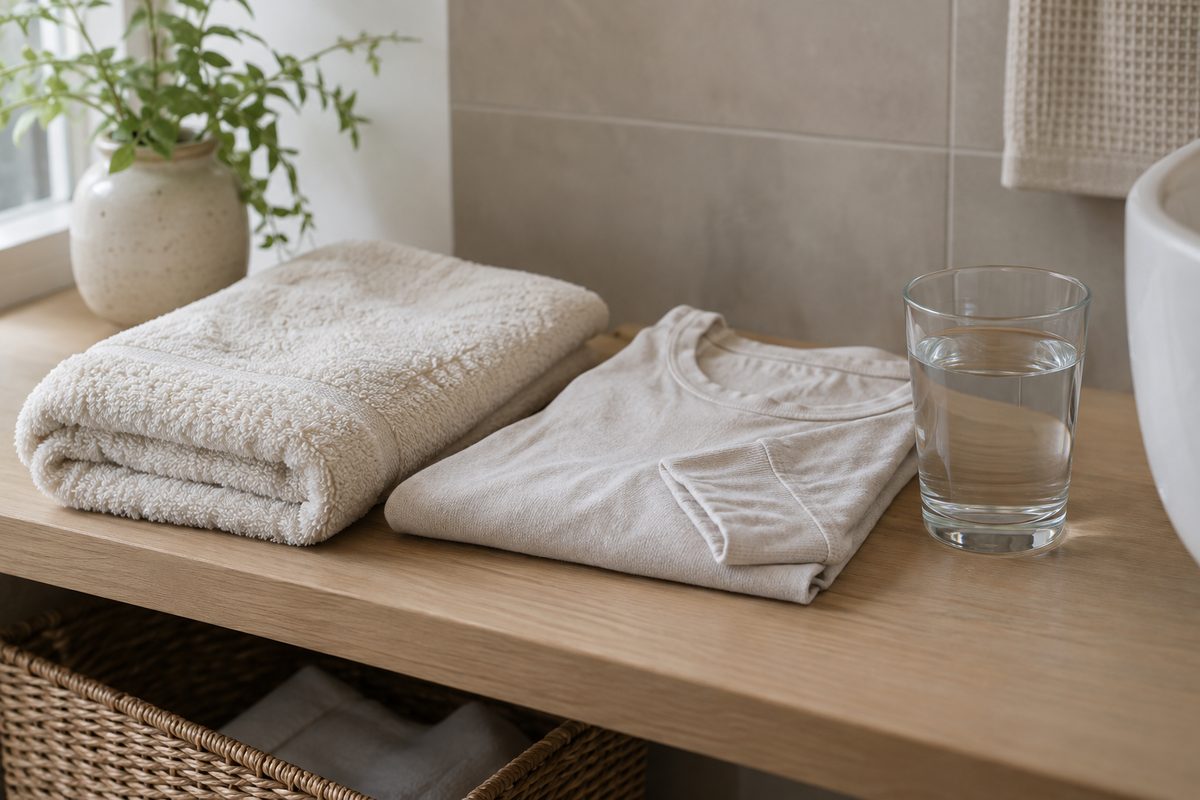
In TCM theory, after acupuncture or cupping the body's pores are in an open state and it is easy for wind and cold to get in — that is Kiang Wu Hospital's Chinese medicine department's account. So the practices the theory attaches are keeping warm and staying out of draughts. The same page lists these points:
- ① Avoid direct wind and air-conditioning draughts, keep time in cold environments short, and adjust clothing to the weather.
- ② Keep the skin clean and dry to avoid infection. If the skin is broken after the cups come off, cover it with a sterile dressing — that sentence is a requirement of China's national TCM administration's infection-control guideline.
- ③ Rest: avoid overexertion and strenuous exercise.
- ④ Eat light: avoid spicy, oily and cold or raw foods, and drink adequate water. The Taiwan folk-practice manual adds: no cold or raw food straight after cupping; Puli Christian Hospital: drink a cup of warm water, and never iced water.
- ⑤ Do not scratch.
All five points above come from that Kiang Wu page; the sterile-dressing sentence in ② is the national TCM administration's infection-control guideline's.
💡 Remember: aftercare is three things — keep warm and out of draughts, skin clean and dry, no shower for 30 minutes.
II. Showering: the 30 minutes, and why the manual gives no reason
Showering. The Taiwan folk-practice manual's wording: no bathing within 30 minutes. The manual gives no reason.
Among the pages this article cites, the nearest explanation is Kiang Wu Hospital's line: after cupping the pores are in an open state and it is easy for wind and cold to get in — but that sentence is about draughts and cold environments, not bathing.
So "no cold shower" is a general practice extended from the theory's concern (catching cold): warm water that day, no cold showers, no cold-water soaking; dry off and keep warm afterwards.
This is practice, not a promise of a result; if your practitioner gives you a different timing, follow theirs.
Before cupping, the advice runs the other way: shower beforehand and keep the skin clean — that is China's national TCM administration's infection-control guideline's advice.
How often. The Taiwan folk-practice manual: cupping the same area again is best spaced at least 3 days apart, and depends on the skin colour and the person's condition. Whether there is a second session and how far apart — that is the decision of the practitioner who has seen you. Follow their written instructions.
III. Fitting it into Malaysian life
- The air-conditioned office: going straight back to sit under the vent is what Kiang Wu Hospital's "avoid direct air-conditioning draughts" looks like day to day in Malaysia. Put on a jacket, or turn the vent away.
- Riding home on a motorbike: wind straight onto a freshly cupped back. Bring a jacket, or take a Grab that day.
- Kopi peng, teh ais: no cold or raw food straight after cupping — that is the Taiwan manual's wording; make it warm that day and go back to iced the next.
- Pool, beach, cold shower: skip them that day — this is the Malaysian version of "no cold-water soaking". No shower within 30 minutes is the Taiwan folk-practice manual's number; the rest is usual practice.
- The pharmacy (Guardian, Watsons): sterile gauze is what Puli Christian Hospital recommends for covering a blister; a large blister is covered with a sterile dressing — the Taiwan manual's wording. The pharmacy stocks both.
- Cupping during confinement: tell the practitioner at the start that you are postnatal or breastfeeding (part 5).
- Klinik Kesihatan or a clinic: for the non-emergency situations in part 5 — a large blister, bruising that does not fade, signs of infection (the sources for these three are in part 4's table) — the nearest government clinic is the door to knock on; fever, dizziness or difficulty breathing is still 999.
- Home cupping sets from online shops or direct sellers: this article is about cupping performed by a TCM practitioner. The retention times and cautions are not written for self-use.
The words in this part
All four come from the sources quoted above.
- Cupping marks (罐印) — the red, round marks left on the skin after cupping. That is how Cleveland Clinic describes them; why they fade and how long they last is part 4.
- Bruising (瘀斑) — the word Kiang Wu Hospital's Chinese medicine department uses for the marks, explaining that it is caused by the negative pressure rupturing the capillaries under the skin, which bleed.
- Cup retention (留罐, 留罐法) — leaving the cup in place after suction, which is the method people usually mean by "cupping". That is the WHO's standard terminology for TCM. "No bathing within 30 minutes" above is about the time after cup retention.
- Sterile dressing (无菌敷料) — China's national TCM administration's infection-control guideline requires that if the skin is broken after the cups come off, it is covered with a sterile dressing. The term means a dressing that has been sterilised, used to cover broken skin — that sentence is this article's plain rendering; the guideline gives no separate definition. The "sterile gauze" sold at a pharmacy is what Puli Christian Hospital recommends for covering a blister.
Frequently asked
Can I shower straight after cupping? The Taiwan folk-practice manual's number is: no bathing within 30 minutes. The manual gives no reason for the 30 minutes. The usual practice is warm water that day, no cold showers, no cold-water soaking; dry off and keep warm. If your practitioner gives you a different timing, follow theirs.
Can I sit in air-conditioning after cupping? Kiang Wu Hospital's advice is to avoid direct wind and air-conditioning draughts, keep time in cold environments short, and keep warm. In Malaysian terms: do not sit directly under the vent, put on a jacket, or turn the vent away.
Do not: cup the same spot two days running to "make it work better". The same area is best spaced at least 3 days apart — that is the Taiwan manual's wording.
The other five parts
- Part 1: What cupping is: negative pressure, four common methods, and what TCM theory says
- Part 2: What actually happens in one session: minutes, cups, and what it feels like
- Part 3: Cup retention, sliding cupping and wet cupping: what actually differs, and what each requires
- Part 4: The marks: what they are, why they fade, and how long they last
- Part 5: Situations to tell your practitioner about first, or to see a doctor about first
👉 If you are unsure whether cupping is suitable for your situation, you are welcome to book an online consultation with HansMed, where a practitioner registered under the T&CM Act 2016 can assess it with you. Cupping is an in-person procedure; the in-person service is coming soon.
Sit with a licensed TCM practitioner from wherever you are.
HansMed Modern TCM
For general wellness education only — not medical advice. Consult a registered TCM practitioner for personal guidance.
Sources
- Kiang Wu Hospital (Macau), Department of Chinese Medicine, What to be careful of after acupuncture and cupping — https://www.kwh.org.mo/kwh/article/4205
- Taiwan Ministry of Health and Welfare, Department of Chinese Medicine and Pharmacy, operating manual for guasha and cupping in the folk-conditioning trade, page updated 18 December 2025 — https://dep.mohw.gov.tw/docmap/cp-4389-39605-108.html
- Puli Christian Hospital, Department of Nursing, Understanding Cupping Therapy, leaflet T220, dated October 2022 — https://www.pch.org.tw/health_info.php?id=56
- National Administration of Traditional Chinese Medicine and National Health and Family Planning Commission (China), Guideline for the prevention and control of infection related to TCM medical techniques (trial) — http://www.natcm.gov.cn/bangongshi/zhengcewenjian/2018-03-24/838.html
- Cleveland Clinic, Cupping Therapy: Definition, Types & Benefits, last updated 06/07/2023 — https://my.clevelandclinic.org/health/treatments/16554-cupping
- World Health Organization, WHO international standard terminologies on traditional Chinese medicine, 2022 — https://www.who.int/publications/i/item/9789240042322