Part 5 of 6 in the "what is cupping" series. Part 1 is what cupping is; part 2 is what happens in one session; part 3 is how the three methods differ; part 4 is the marks; part 6 is aftercare.
This is the part of the series to read first. It is not meant to alarm — knowing why an item is on the list is what gets it said at the start of a consultation, rather than after you have lain down.
The short version
- The list below is by situation, not by constitution. Saying which ones apply is enough at a consultation.
- If you take blood thinners or anticoagulants, say so at the start of the consultation, and never stop prescribed medication on your own.
- Pregnant or possibly pregnant, skin disease or broken skin, fever or an acute illness — all to be said first.
- Cardiovascular disease, epilepsy, anaemia, clotting problems, a pacemaker: these are on Cleveland Clinic's "should not have cupping" list.
- Five of the eight items have a reason in the public sources; three do not, and this part says so rather than filling them in.
A note: this section is general information only. For conditions like these, follow your doctor's diagnosis and treatment, and seek medical attention when you need it.
I. Situations to tell your practitioner about first, or to see a doctor about first
Cupping has its scope. The list below is by situation, not by constitution — just say which ones apply when you consult.
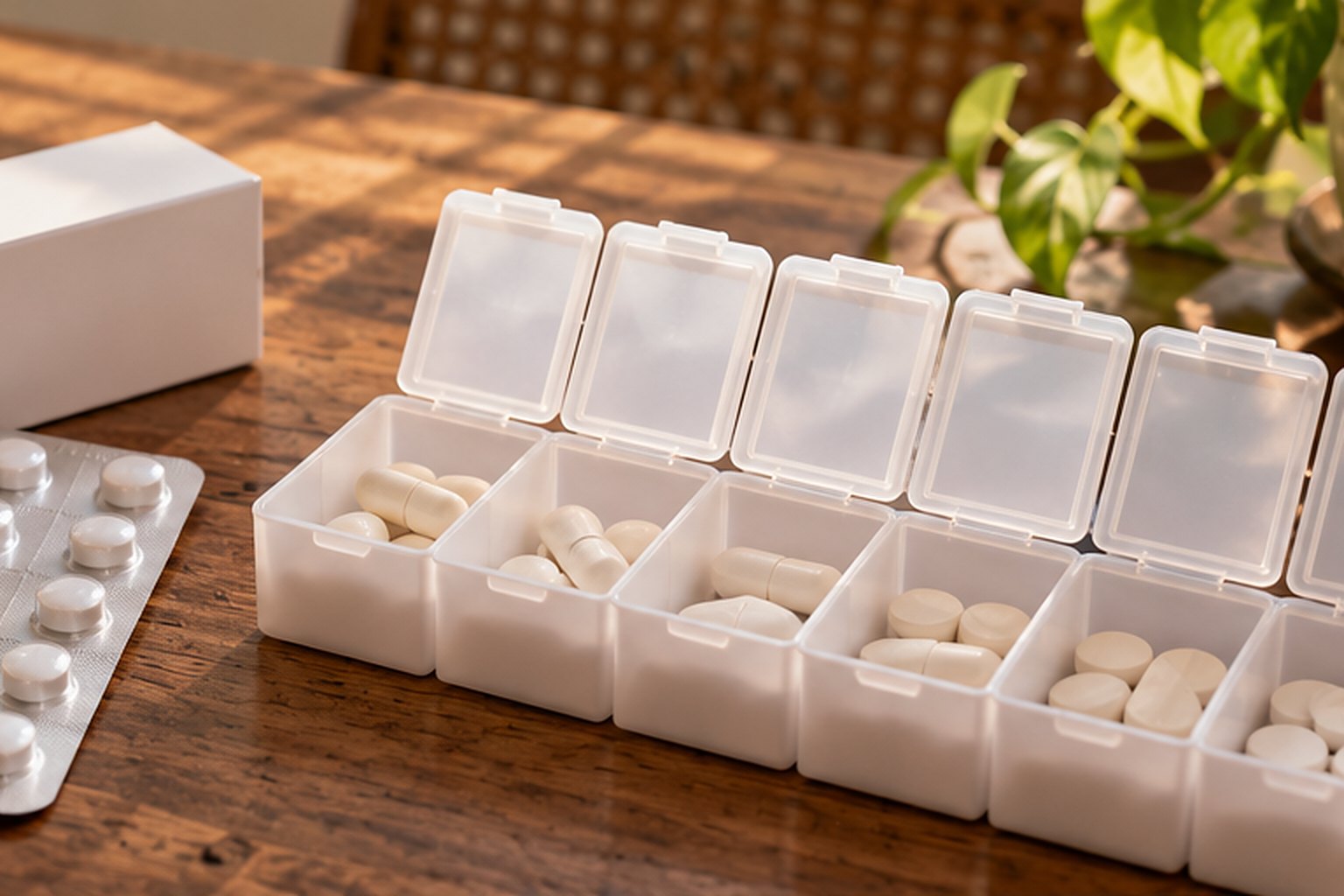
- On blood thinners or anticoagulants (warfarin, aspirin and similar): NHS Tayside's patient leaflet asks you to tell them beforehand; the Hong Kong regulator lists a bleeding tendency as unsuitable for cupping. Say it at the start of the consultation, and never stop prescribed medication on your own. The reason is on the NHS's anticoagulant medicines page: anticoagulants work by interrupting the process involved in the formation of blood clots; the same page also says they are sometimes called "blood-thinning" medicines, although they don't actually make the blood thinner.
- Pregnant, or possibly pregnant: cupping on the abdomen and lower back is not suitable in pregnancy, and improper operation there may cause miscarriage. Cleveland Clinic's position is more conservative: you should not have cupping while pregnant. In confinement or breastfeeding — mention that too. The first sentence is the Hong Kong regulator's; Cleveland Clinic gives its reason in the first half of its own sentence — because researchers know so little about cupping's effects on pregnancy.
- Skin disease or broken skin: skin disease, skin allergy, ulcerated or broken skin — not cupped; eczema and psoriasis are on Cleveland Clinic's list of reasons to avoid cupping. The first clause is Puli Christian Hospital's patient leaflet. Neither page gives a reason, and this part does not fill one in for them.
- Children: children under six should be assessed by the practitioner first; shorter retention and fewer cups for children. The two clauses come from Puli Christian Hospital's patient leaflet and the Taiwan folk-practice manual. The manual writes the basis for shortening: retention time may be set by age and physical condition, and is shortened for thin or delicate skin, older people and children.
- Older adults: over seventy should be assessed by the practitioner first; fewer cups and shorter time for the elderly and frail. The same two sources, on the same basis — the manual puts the elderly and frail, children, and first-timers in one clause.
- Fever or an acute illness: acute serious illness is listed as a contraindication. See a doctor first, not the cups. That clause is the Taiwan folk-practice manual's; the manual lists it among the contraindications and gives no reason.
- Cardiovascular disease, epilepsy, anaemia, clotting problems, or a pacemaker: all of these are on Cleveland Clinic's list of reasons you should not have cupping. Follow your doctor's diagnosis and treatment, and tell the practitioner. That page sets them out as a list and gives no reason item by item — and this part does not fill one in for it.
- Your first time: fewer cups and a shorter time for first-timers. Saying "it's my first time" is enough for the practitioner to plan around. That clause is the Taiwan folk-practice manual's, from the same line as the two items above.
If you are taking any medication, be sure to tell the practitioner — and never stop prescribed medication on your own. TCM and Western medicine are complementary, not either-or.
If burns, blisters, broken skin, severe pain, or signs of infection develop at the cupping site, please contact your practitioner. If you experience fever, dizziness, or difficulty breathing, call 999 now, or go to the nearest hospital emergency department.
If you are experiencing seizures, loss of consciousness, or high fever, call 999 now, or go to the nearest hospital emergency department, rather than considering cupping.
A note: this section is general information only. For conditions like these, follow your doctor's diagnosis and treatment, and seek medical attention when you need it.
II. Where each reason comes from, and where it stops
Every reason above is taken from that item's own source page, not inferred from the cupping pages.
The five with a reason: the blood-thinner item's reason comes from the NHS's anticoagulant medicines page; the pregnancy item's from the half-sentence Cleveland Clinic writes itself; and children, older adults and a first session from the basis clause in a single line of the Taiwan folk-practice manual.
The three without: skin disease and broken skin, fever or an acute illness, and Cleveland Clinic's list — all three source pages give the conclusion and not the reason. This part says so, and does not fill them in.
That arrangement has one use: you do not need the reason in order to say the thing. "I'm on warfarin" or "I might be pregnant", said at the start, is what the practitioner plans around. The reasons are here for readers who want to know why.
These are things to say at a consultation, not a checklist to judge yourself against. Whether cupping suits you is the decision of the practitioner who has seen you.
The words in this part
All four come from the NHS's anticoagulant medicines page — the page the first item's reason comes from.
- Anticoagulants (抗凝血药物) — medicines that help prevent blood clots; they work by interrupting the process involved in the formation of blood clots. You will see the class on a dispensing label or a prescription.
- "Blood thinners" (薄血药) — anticoagulants are sometimes called "blood-thinning" medicines, but the same page states plainly that they don't actually make the blood thinner. The nickname is common in Malaysia, and it helps to know it is inaccurate.
- Blood clot (血液凝块) — a seal created by the blood to stop bleeding from wounds. That is how the same page explains it.
- Antiplatelet medicines (抗血小板药物) — the same page says anticoagulants are different to antiplatelet medicines, such as low-dose aspirin and clopidogrel. So on that page's classification, aspirin belongs to the second group. Naming the actual medicine at a consultation is the safest move.
Frequently asked
I take warfarin — can I have cupping? That is something to say at the start of a consultation, not something this article can answer. NHS Tayside's patient leaflet asks you to tell them beforehand; the Hong Kong regulator lists a bleeding tendency as unsuitable for cupping. Name the medicine to your practitioner, and never stop prescribed medication on your own.
Can I have cupping while pregnant? The Hong Kong regulator writes that cupping on the abdomen and lower back is not suitable in pregnancy, and improper operation there may cause miscarriage. Cleveland Clinic is more conservative: you should not have cupping while pregnant, because researchers know so little about cupping's effects on pregnancy. Tell your practitioner first.
Do not: stop medication your doctor prescribed because you have started cupping.
The other five parts
- Part 1: What cupping is: negative pressure, four common methods, and what TCM theory says
- Part 2: What actually happens in one session: minutes, cups, and what it feels like
- Part 3: Cup retention, sliding cupping and wet cupping: what actually differs, and what each requires
- Part 4: The marks: what they are, why they fade, and how long they last
- Part 6: Aftercare: showering, air-conditioning, and the day after
👉 If you are unsure whether cupping is suitable for your situation, you are welcome to book an online consultation with HansMed, where a practitioner registered under the T&CM Act 2016 can assess it with you. Cupping is an in-person procedure; the in-person service is coming soon.
Sit with a licensed TCM practitioner from wherever you are.
HansMed Modern TCM
For general wellness education only — not medical advice. Consult a registered TCM practitioner for personal guidance.
Sources
- NHS Tayside, Cupping Therapy — Information for patients, leaflet LN1230, reviewed 02/2025 — https://www.nhstaysidecdn.scot.nhs.uk/NHSTaysideWeb/idcplg?IdcService=GET_SECURE_FILE&dDocName=PROD_383478&Rendition=web&RevisionSelectionMethod=LatestReleased&noSaveAs=1
- Hong Kong Department of Health, Chinese Medicine Regulatory Office, Common Chinese Medicine Therapies — https://www.cmro.gov.hk/html/gb/useful_information/public_health/pamphlet/Health_35780_Booklet_r3.html
- Cleveland Clinic, Cupping Therapy: Definition, Types & Benefits, last updated 06/07/2023 — https://my.clevelandclinic.org/health/treatments/16554-cupping
- Puli Christian Hospital, Department of Nursing, Understanding Cupping Therapy, leaflet T220, dated October 2022 — https://www.pch.org.tw/health_info.php?id=56
- Taiwan Ministry of Health and Welfare, Department of Chinese Medicine and Pharmacy, operating manual for guasha and cupping in the folk-conditioning trade, page updated 18 December 2025 — https://dep.mohw.gov.tw/docmap/cp-4389-39605-108.html
- NHS, Anticoagulant medicines, page last reviewed 09 September 2024 — https://www.nhs.uk/medicines/anticoagulants/