Part 3 of 6 in the "What Malaysians mean by heavy dampness" series. The list of the other five is at the foot of this part.
The herbal-tea shop has dampness tea, the medical hall has dampness soup packs, and the Guardian and Watsons shelves have canned 薏米 water. Before buying, who needs to ask first?
The answer first. TCM theory treats these as food therapy or prepared Chinese medicine — which is to say, they have an effect. In that theory, anything with an effect also has people it does not suit. So the question is not whether they are good, but who is drinking, and what is in it.
This part lists five ask-first situations by situation, not by constitution. Why the theory connects dampness to any of this is parts 4 and 5.
The short version
- TCM theory treats dampness teas, 薏米 water and dampness soup packs as food therapy or prepared Chinese medicine, not as a drink.
- Singapore's Ministry of Health notes that CPM carry information on documented side effects and contraindications, such as pregnancy and lactation, on their labels.
- The same page states that, in general, CPM should not be given to infants under 12 months unless advised by a TCM practitioner.
- The same page also advises: if you are currently on any medication, talk to your doctor or physician before planning to take a CPM product. Never stop your medication on your own.
- Bottled and canned dampness drinks may be sweetened; read the nutrition label before buying.
A note: this section is general information only. For conditions like these, follow your doctor's diagnosis and treatment, and seek medical attention when you need it.
First, the things that cannot wait
⚠️ A safety note: TCM and Western medicine complement each other; it is not a choice between them. For severe abdominal pain, chest tightness or breathlessness, or fever with a stiff neck, call 999 now, or go to the nearest hospital emergency department.
Persistent high fever, blood in the stool, or unexplained weight loss means seeing a doctor first — the reason behind each is in part 6.
A note: this section is general information only. For conditions like these, follow your doctor's diagnosis and treatment, and seek medical attention when you need it.
I. Dampness teas and 薏米 water: who should ask first
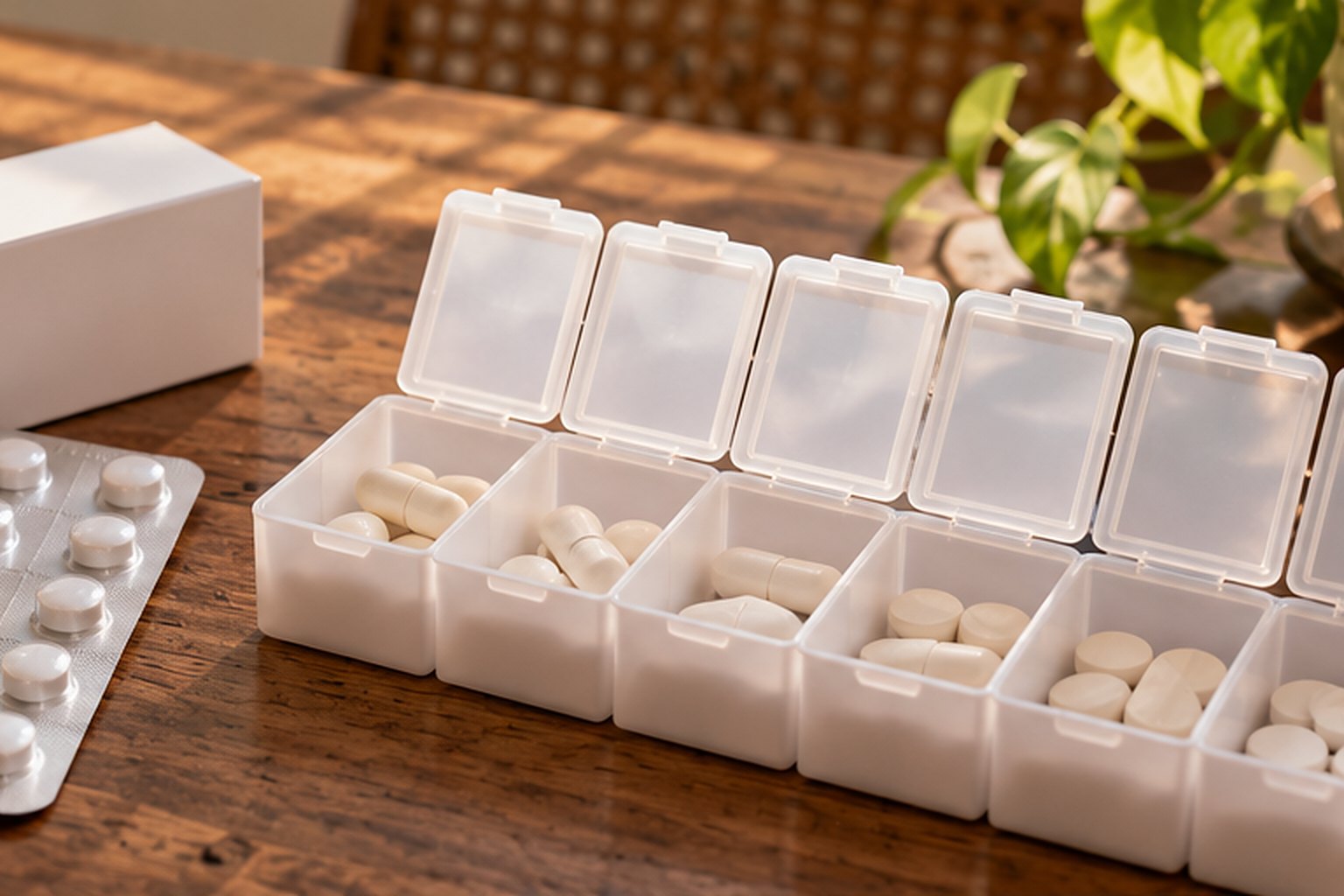
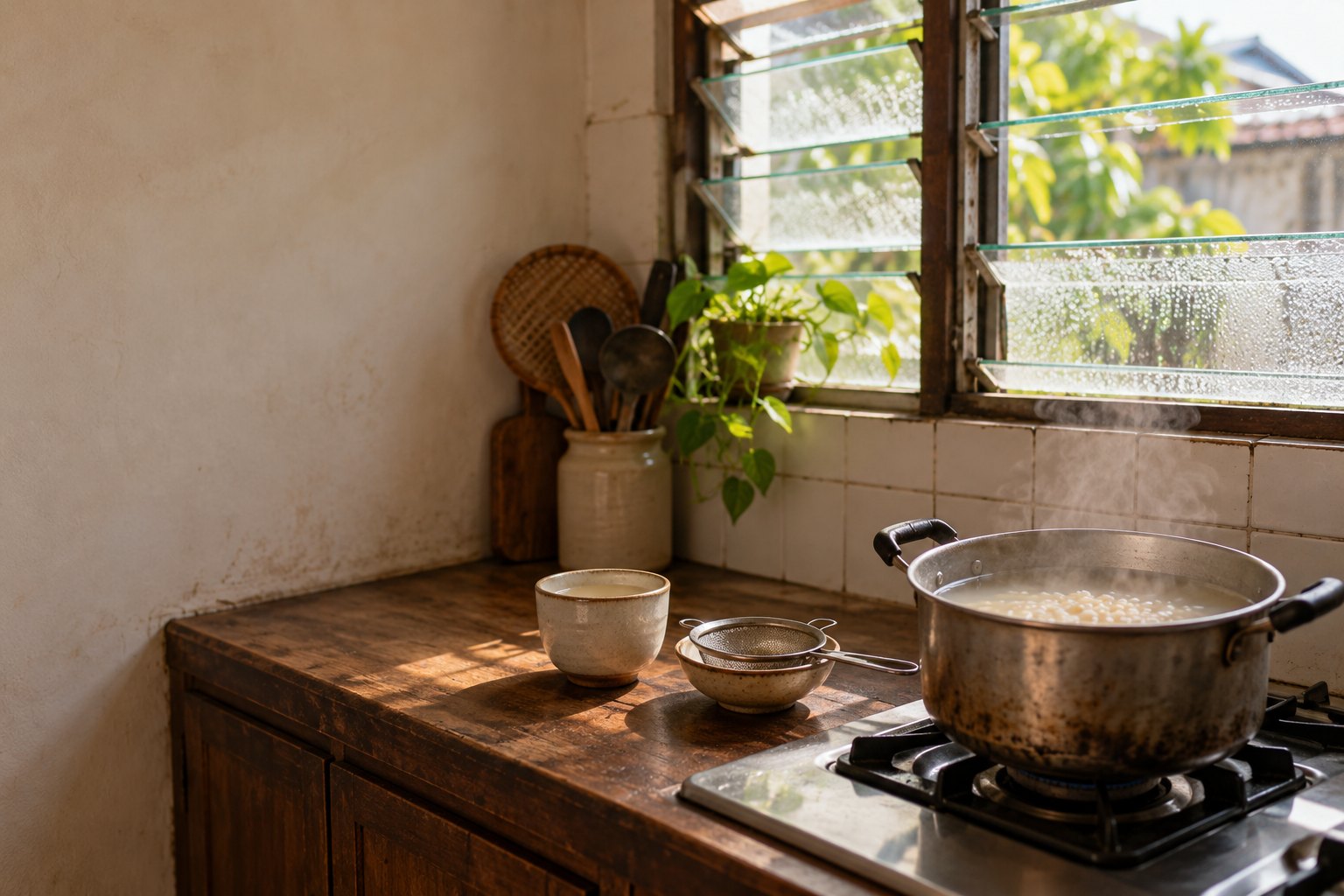
Dampness teas, barley (薏米) water and dampness soup packs sit on the shelves of herbal-tea shops, Chinese medical halls, Guardian and Watsons. TCM theory treats them as food therapy or prepared Chinese medicine; in that theory, anything with an effect also has people it does not suit.
The list below is by situation, not by constitution. If any applies, ask before drinking:
- Pregnant, trying, or breastfeeding: Singapore's Ministry of Health notes that Chinese proprietary medicines carry information on documented side effects and contraindications, such as pregnancy and lactation, on their labels. For these products and bottled dampness teas, ask a registered TCM practitioner first; if the label says it is not for use in pregnancy, do not drink it.
- Infants and children: the same page states that, in general, CPM should not be given to infants under 12 months unless advised by a TCM practitioner. For older children, ask about dose and suitability first.
- On long-term Western medication: Singapore's Ministry of Health advises that if you are currently on any medication, talk to your doctor or physician before planning to take a CPM product as well. We include over-the-counter dampness drinks in that bucket. Never stop your medication on your own.
- Diabetes, or managing blood sugar: bottled dampness teas and canned 薏米 water may be sweetened. Read the nutrition label before buying; if unsure, ask the pharmacist at the pharmacy counter.
- Older adults, before surgery, or a chronic condition under regular review: tell your doctor what dampness products you drink, and let the doctor judge.
For the "before surgery" item, that page gives the reason. Singapore's Ministry of Health states that if you are scheduled for a surgical operation you should inform your doctor about any CPM you are taking, because some products may interfere or interact with the anaesthetics and other medicines used during the surgery; you may also be required to stop taking these products before the operation. Whether to stop, and when, is the doctor's decision.
A note: this section is general information only. For conditions like these, follow your doctor's diagnosis and treatment, and seek medical attention when you need it.
II. Before you buy, in Malaysia
For everyone outside those five situations, the theory's principle is this: treat it as a supplement, not as a substitute. The habits in part 2 — warm, moving, dry, ventilated — are the half the theory itself puts first, and a cup of something does not replace them.
- Dampness tea from the herbal-tea shop, soup packs from the medical hall, dampness supplements from direct sales: check the five situations above before buying.
- Confinement (坐月子): confinement diets have their own traditional arrangements. Whether dampness-clearing ingredients suit yours is a question for the TCM practitioner in charge, not an online recipe.
For the bottled or canned kind there is one more thing you can do yourself: read the sugar on the nutrition label. That is product information, not a question for the theory — the theory has nothing to say about how much sugar went into the bottle.
💡 Remember: the theory's answer is always who is drinking it, and what is in it. The same cup is a different answer for a different person, and that answer lives in the consultation, not on the shelf.
The words in this part
All three are words Singapore's Ministry of Health uses on that page itself, and you meet them directly on a product label or in regulatory material.
- Chinese proprietary medicine (CPM, 中成药) — Singapore's Ministry of Health defines these as medicinal products, used according to the TCM system of treatment, that have been manufactured into finished dosage forms, for example tablets, capsules or pills; the finished products contain Chinese herbs, animal parts and/or minerals as active ingredients.
- Contraindications (禁忌) — that page's own usage: the situations a label sets out in which a product is not to be used, with pregnancy and lactation as its examples.
- Documented side effects (副作用) — the other half of the same sentence: the known unwanted effects a label sets out, with nausea and vomiting as its examples.
Two words not taught, and why: neither "food therapy" nor the properties of 薏米 has a definition sentence on any regulator or public-health page we could find, so this part does not teach them and does not define them on their behalf.
Frequently asked
Does drinking dampness tea help? TCM theory treats dampness tea as food therapy or prepared Chinese medicine, something with an effect, so the theory's answer is "it depends who drinks it and what is in it". For the five situations listed above, ask first. For everyone else, the theory's principle is to treat it as a supplement, not as a substitute for changing the habits in part 2.
Can a pregnant woman drink 薏米 water? This is one we could not find a page for. We looked at the public hospital and TCM regulatory bodies in Taiwan and Hong Kong, and none of them states whether 薏米 is to be avoided in pregnancy, so this part draws no conclusion about 薏米 itself. What can be said is the first item above: Singapore's Ministry of Health notes that CPM labels carry contraindication information, such as pregnancy and lactation — so the answer is to ask a registered TCM practitioner first, and to read what the label says.
Do not: stop or reduce any Western medication because you have started a dampness tea or TCM. And do not treat a bottled dampness drink as "not really medicine, so not worth mentioning" — say it at the consultation, so the practitioner can see the whole picture.
The other five parts
- Part 1: Why do Malaysians always say "dampness is heavy"? What dampness is in TCM theory, and what the humidity figures say
- Part 2: Which daily habits count — iced drinks, air-con and long sitting, and what the theory links to dampness
- Part 4: The model inside the theory: the spleen governs transportation and transformation, and where dampness comes from
- Part 5: Iced, greasy, late, seated: which link each one loads, and how the theory reads a working day
- Part 6: When to see a doctor first — each sign, and what it can mean
👉 If you are unsure whether this packet of soup ingredients or this bottled drink actually suits you, you are welcome to book an online consultation with HansMed, where a practitioner registered under the T&CM Act 2016 can assess it with you.
Sit with a licensed TCM practitioner from wherever you are.
HansMed Modern TCM
For general wellness education only — not medical advice. Consult a registered TCM practitioner for personal guidance.
Sources
- Singapore MOH HealthHub, Chinese Proprietary Medicine (last updated 24 July 2025) — https://www.healthhub.sg/well-being-and-lifestyle/personal-care/chinese_proprietary_medicine